
Shaped by wind
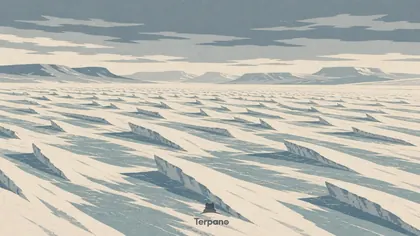
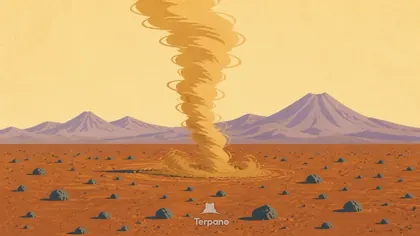
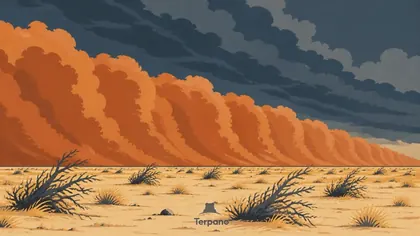
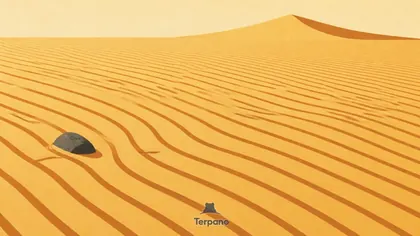
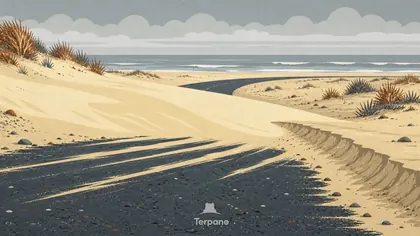
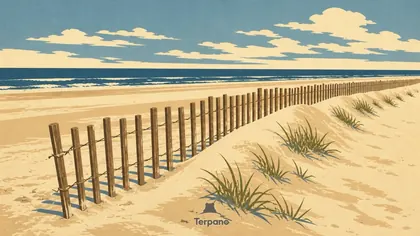
Wind leaves a directional signature, and the shape tells you how many directions it comes from.
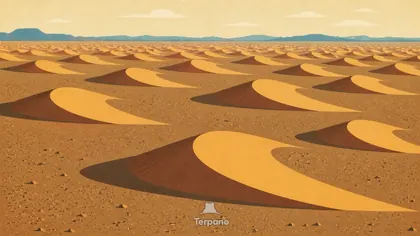
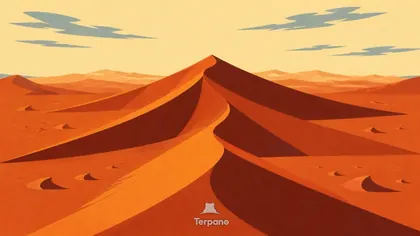
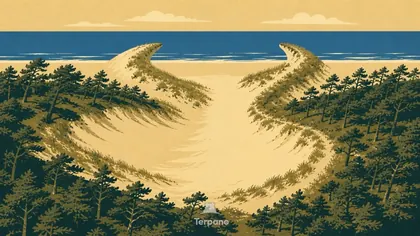
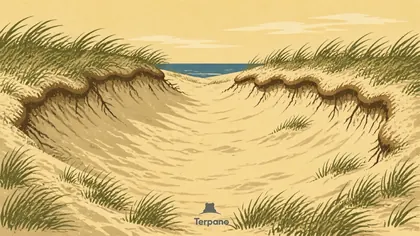
Dune form is a wind census. A crescent means one dominant direction and not quite enough sand to cover the ground. A star dune means wind arrives from several quarters through the year, so no direction wins and the dune grows upward instead of migrating. A parabolic dune is a crescent turned inside out, with vegetation holding the arms while the bare middle keeps moving.
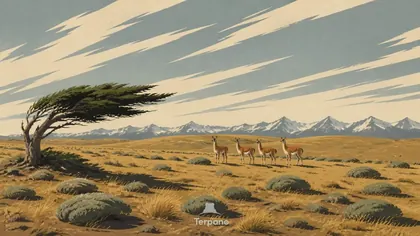
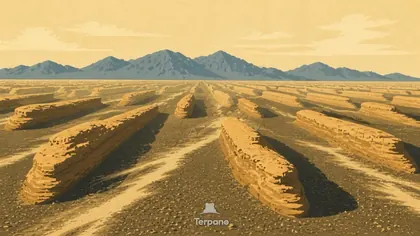
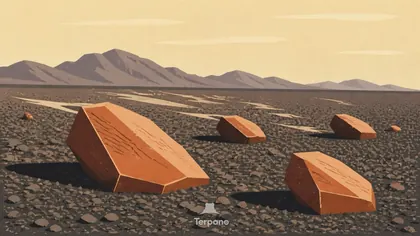
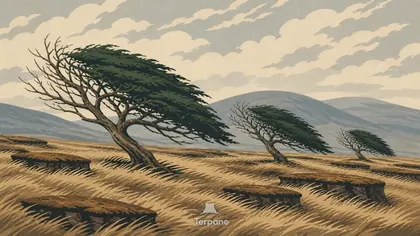
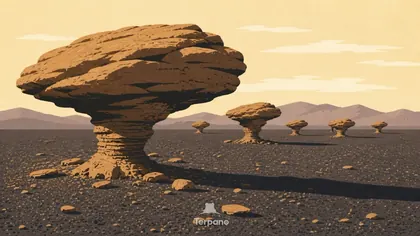
Away from sand the same signature shows up in rock and wood. Ventifacts are stones sandblasted into facets. Undercutting stops about a metre above the ground because that is as high as wind carries sand. A tree with a crown on one side has not been bent — its windward buds were killed before they could open, year after year.
16 puzzles that turn on this
English · Deutsch · Español · Français · Italiano · Português · Русский · 简体中文 · 繁體中文 · 日本語 · 한국어